

Buying a Drip Brewer
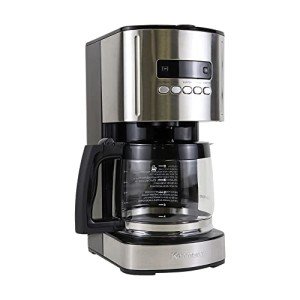
A drip brewer makes use hot water to pour over coffee beans, taking in flavor compounds and oils before eventually flowing through a filter into a carafe. Choose a model that offers programmable settings and easy-to-use controls to increase convenience and reduce the cleanup.
The taste of your drip brewed coffee is affected by several factors such as the size of the grind and roast level. It also varies based on the proportion of water to coffee. The ideal temperature for brewing is also critical for ensuring proper flavor extraction.
Brewing Technique
The drip coffee maker machine is one of the most commonly used methods of preparing a cup. Pouring hot water on ground coffee and letting it brew in filter is a straightforward procedure that results in the perfect cup of coffee that is that is full of flavor. It's not a surprise that drip brew is very well-liked in cafes and homes around the world.
When it comes to making coffee with drip coffee makers, there are a number of variables that can be altered to ensure a perfect cup of java every time. From the kind of bean used to the water temperature and grind size, the nuances of each factor can have a significant impact on the final flavor.
Some of the tips to keep in mind when using your drip coffee machine include:
For the best results, use filtered water. The kind of water you choose to use can have a significant impact on the taste of your brew and even its acidity and bitterness. It's also a good idea to not add sugar or milk to your drink, as it can alter the natural sweetness and flavor.
It's also important to recognize that a properly brewed cup of drip coffee will have a balanced, complex flavor that highlights the distinct characteristics of each variety of beans. To get this to happen, you must make use of high-quality, freshly ground coffee grounds and be sure to infuse your grounds prior to brewing.
Another key aspect to be aware of is the importance of the coffee mug or carafe you're using. It is recommended that you select a mug or carafe that is heat-resistant and designed to be used in conjunction with your drip coffee maker. This will help to maintain the temperature of your beverage and guard against unpleasant flavors that may occur when you use a less resistant mug or carafe.
We recommend checking out our selection of drip coffee machines if you would like to make your own favorite cups of coffee. You'll find models that suit your needs. From basic models that provide simple and straightforward coffee brewing to more advanced models that include features such as programmable settings or built-in grinders.
Temperature of the Water
The water temperature is an important brewing variable that is often overlooked. It can impact the taste and quality of your coffee if it's at or below optimal temperature.
Ideally, the water used to brew coffee should be between 195 and 205 degrees Fahrenheit to ensure optimal extraction. It is crucial to keep your brewing temperature within this range regardless of what method you employ. This includes pour-overs, French presses, and everything in between. A hot water temperature can cause coffee to be not fully extracted, while too cold water will lose flavor.
The reservoir for water in a drip brewer heats the water to the perfect temperature for extraction of coffee. When the water reaches this temperature, it's transferred through a tube to the showerhead, and then drips over the coffee beans. This process allows for the complete and effective extraction of flavors and oils from the coffee grounds.
After the brew cycle has completed The brewed coffee is collected in the carafe. It can be served immediately or kept warm in an insulated container. To ensure the best flavor the coffee should be consumed within 20 minutes of the brewing.
During the brewing cycle the temperature of the water in the filtered coffee can change dramatically due to the loss of heat and the thermal weight of the coffee grounds. It is recommended to pre-heat the equipment used to brew prior to use in order for this drop in temperature to be reduced. This will also help minimize any chemical interactions between the ground coffee and the water. A brewing vessel that is preheated will also be more efficient in maintaining the correct brew temperature than one that hasn't been preheated.
Grind Size
Drip coffee is a popular method for home brewing that involves filtering hot water through coffee grounds to make an enticing and fresh cup. While the process itself may seem simple, you should know a few important things about grind size and water-to-coffee ratios to ensure your drip coffee is always flavorful and balanced.
The grind size is important in the brewing process as it determines how fast water moves through the grounds of coffee and extracts the flavors. A coarse grind can result in under-extraction and a watery, weak cup of espresso, whereas the fine grind could result in excessive extraction with a bitter, overpowering taste. A medium-sized grind will ensure a perfect extraction, resulting in a balanced and flavorful cup of drip coffee.
The type of filter will also affect the size of the grind. Different filters require slightly different grinding consistency. The flat-bottomed filter is designed to grind sand or salt to a medium-fine grind while cone-shaped filter work best with a finer grinding that looks like the granulated sweetener. Additionally some brewers employ a glass or plastic permanent filter that requires a smaller grind for better flavor retention.
When determining the proper grind size, you can experiment with different types of roasts and beans to find your favorite. Also, take into drip coffee brewer in coffee and the method of brewing you're using. For example, some people may prefer a strong, rich flavor that comes from a finer grinding, while others enjoy a more subtle taste that comes from a coarser grind.
You can make the most effective coffee by selecting the correct grind size. By taking the time to consider these aspects, you'll be on your way to enjoying a cup of perfectly brewed drip coffee every single time. After that, you can sit back, relax and enjoy!
Filter Type
Drip coffee makers extract flavors and oils using hot water. This method is popular among those who seek an enlightened cup of coffee that has the right amount caffeine and a consistent flavor. The filter used can affect the taste as well as the final brew consistency.
There are a variety of filter types available that include paper filters, reusable metal mesh filters and specialty filters that are specifically designed to work with certain drip coffee makers. The ideal filter is based on your taste preferences and convenience as well as sustainability.
Paper filters are typically constructed from porous, thin paper that allows water to be able to flow through while trapping coffee grounds. The filter is available in various sizes to fit the majority of drip coffee makers. This filter gives a fresh, crisp taste that eliminates coffee oil and sediments, resulting in a clear, bright cup. It also reduces bitterness and sourness in the final coffee. Paper filters are available in various colors and textures that will match your coffee maker or kitchen.
Another alternative is a mesh filter, that is usually made of stainless steel or aluminum wire. This kind of filter can be used repeatedly and is more durable. It offers a more subtle flavor and is more affordable than a paper filter. It also reduces mineral buildup that can affect quality of the brewed beverage.
There are recyclable metal filters, woven, that are compatible with most drip coffee makers. They can be cleaned and reused to provide an eco green alternative to paper. They also offer a unique coffee flavor and may help to reduce bitterness in acidic or highly-acidic coffees.
There are also filters made to fit specific brewing equipments, such as the V60. Kalita Wave, and Chemex. These specialty filters are placed on top of a carafe or cup, and have a unique design that affects the flow of coffee and the extraction. Some of these specialty filters are reversible, and come with different sizes of holes to make it possible to tailor the filtration. It is important to choose the correct size filter for your drip coffee maker, whether you use a paper, reusable or a specialty filter.